2023第一個白酒年份
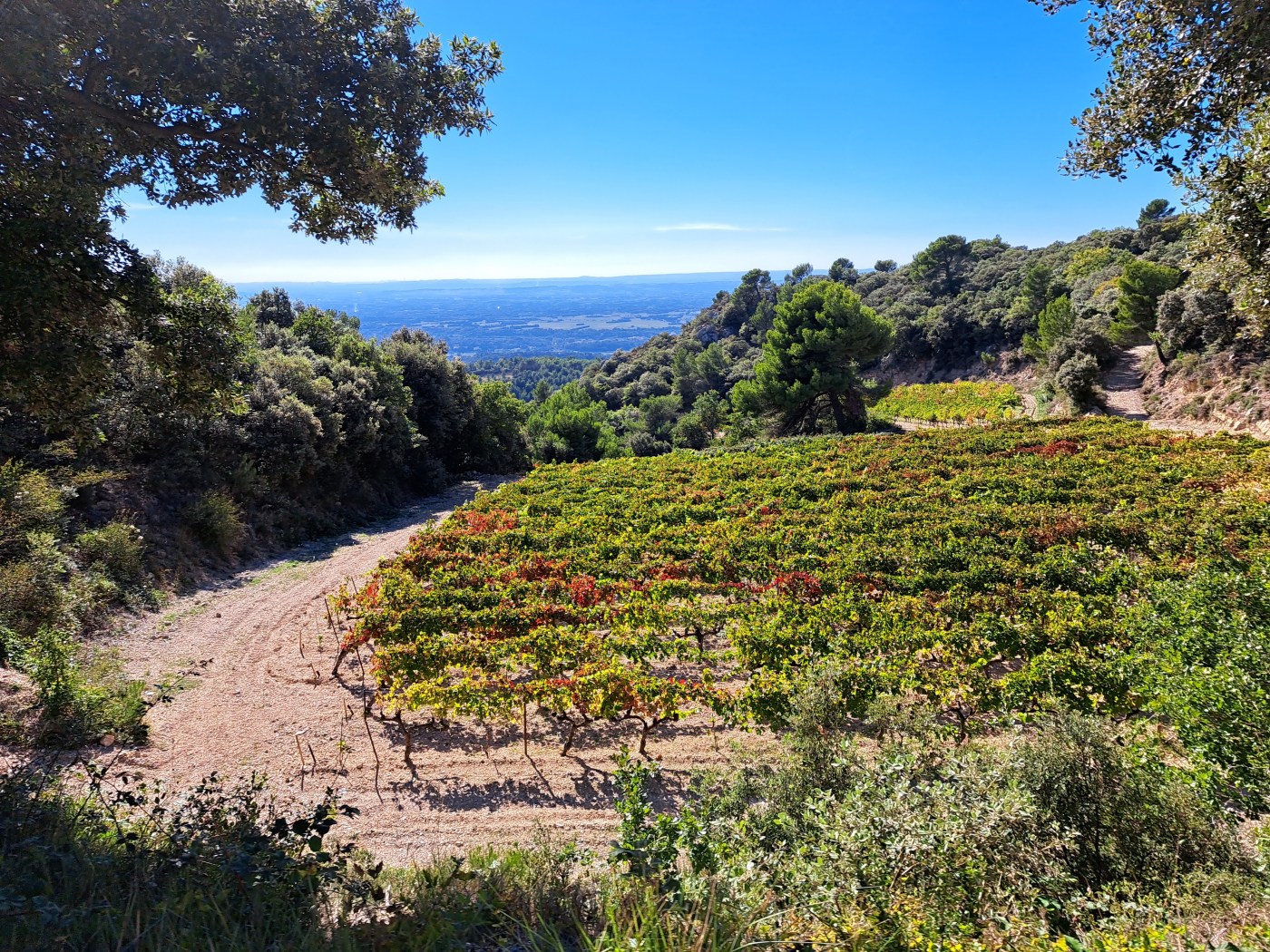
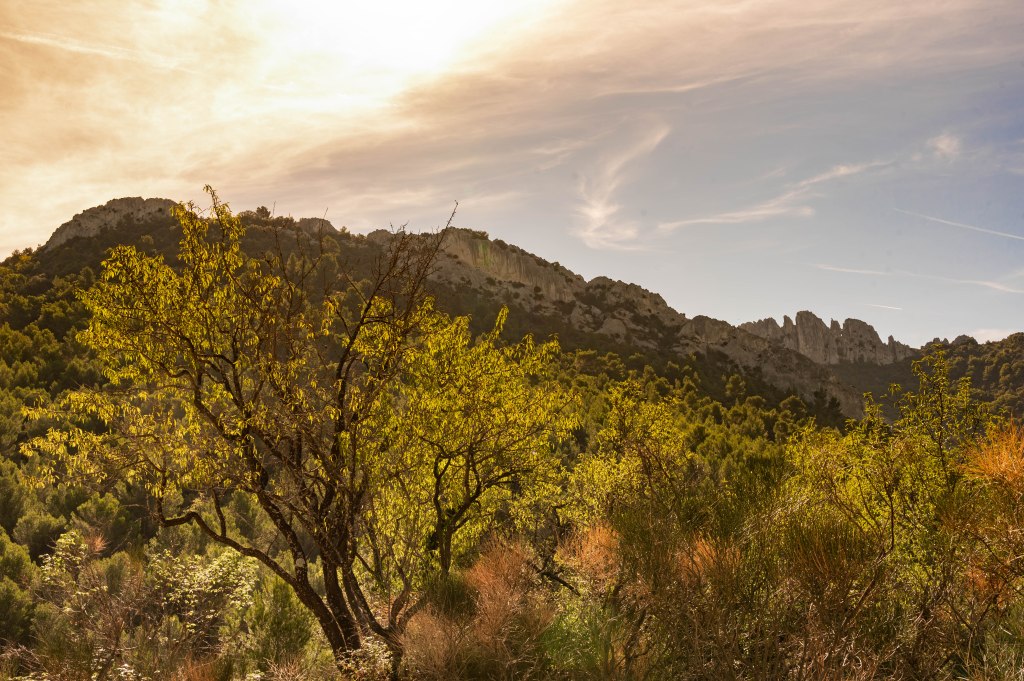
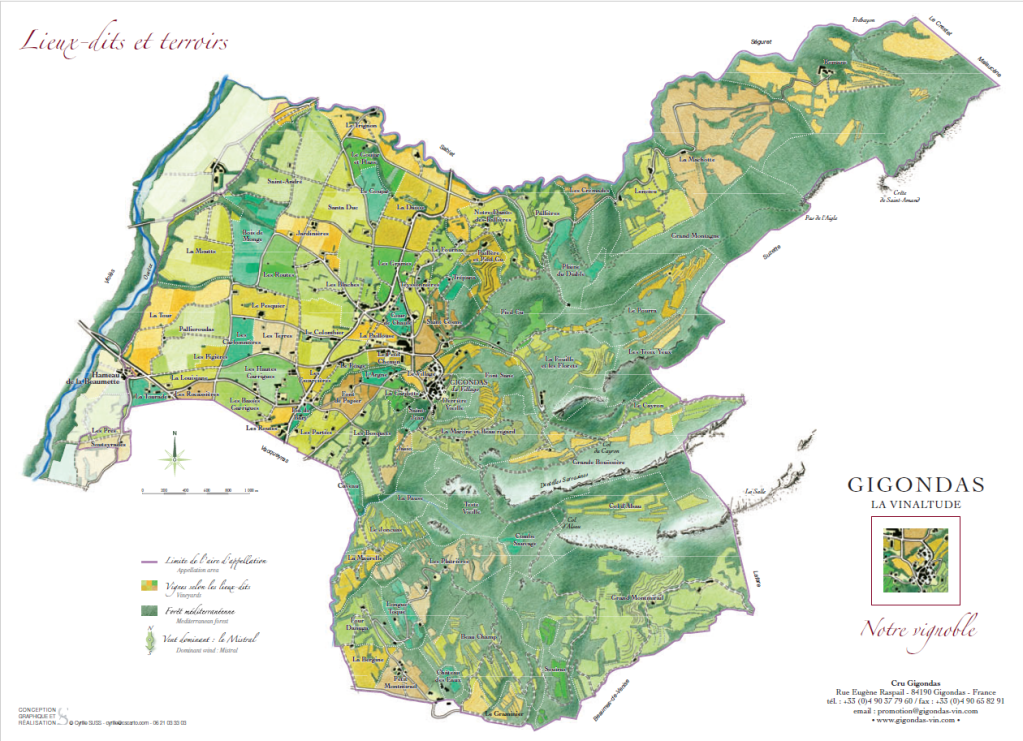
吉貢達斯(Gigondas)位於南隆河谷沃克茲省(Vaucluse),是個居民僅六個百餘人的小村莊。村莊東部為隆河谷知名的觀光景點Dentelles de Montmirail峭壁,葡萄園多分佈於村莊核心以西的平原地帶,乾燥炎熱非常適合種植紅葡萄品種,只有零星葡萄園穿插在150-400米間的山谷坡地,其涼爽氣候相當有利白葡萄生長。 1971年吉貢達斯法定產區成立時,酒農們申請了三種酒款的產區使用權,但最後只有紅酒與粉紅酒被核定,白酒必須降級為「隆河谷法定產區 (Côte du Rhône) 」,在經濟考量下,許多原種植白葡萄的地塊都被拔除改种红葡萄品種。是以至今,吉貢達斯村近1200公頃的葡萄園中僅有約16公頃生產白葡萄酒。
2023 First vintage of Gigondas White
Gigondas is located in Vaucluse in the southern Rhone Valley. It is a small village with only about six hundred residents. The eastern part of the village is the cliff of Dentelles de Montmirail, a well-known sightseeing spot in the Rhone Valley. The vineyards are mostly distributed in the plains. The dry and hot weather is suitable for planting red grape varieties. There are only sporadic vineyards interspersed on the valley slopes between 150 and 400 meters. Its cool climate is quite conducive to the growth of white grapes. When the Gigondas AOC was established in 1971, the wine growers applied for the three wine types, but only red wine and rosé wine were approved. The white wine had to be downgraded to “Côte du Rhône") “, due to economic considerations, many plots originally planted with white grapes were replaced by red grape varieties. So far, only about 16 hectares of the nearly 1,200 hectares of vineyards in Gigondas Village produce white wine.

2011年,酒農們經過多年討論,決議向國家原產地命名與質量管理局 (INAO) 提出申請,增加該法定產區的白酒生產權,然而針對葡萄品種的選擇上,酒農們始終爭論不休,其中一方認為本地自古以來多種植克萊雷 (Clairette) ,故應遵循傳統,以單一品種呈現;另一邊則傾向多品種混釀,讓酒風更多元。直到2021年產區公會提出折衷方案,以不低於七成的克萊雷品種加上最多三成的自選特定品種的規範,終於讓兩方人馬握手言和。最後,經過11年的努力,管理局終於在今年九月八日表決通過吉貢達斯的申請。
In 2011, after several years of discussion, the winegrowers decided to apply to the Institut national de l’origine et de la qualité (INAO) for the Gigondas White. In fact, many are convinced that there is great potential for white wines on these limestone terroirs located between 150 and 400 m dominated by the bewitching garland of the Dentelles de Montmirail. Especially since global warming has an impact on certain red wine terroirs. However, there is an endless debate of the dominate grapes varieties. Some of them believe that Clairette is the historical grapes planting in the village who can well represent the terroir, and should be the ONLY authorized grapes variety in the production. The others prefer to blend multiple varieties to make the wine more diverse. It wasn’t until 2021 that the producing area association get an agreement of the both side by proposins a compromise plan, with no less than 70% of the Clairette and a maximum of 30% of the selected varieties. Finally, after 11 years of hard work, the INAO voted to approve the application on September 8 this year.
如此振奮人心的消息,最先受惠的莫過於那30多間堅守白葡萄園的酒莊,其中便包括擁有47公頃葡萄園的Domaine de Longue Toque。該酒莊位於吉貢達斯村莊核心地帶,歷史可追溯至1918年,90年代末當地知名的酒商Gabriel Meffre將其納入麾下,從最初的25公頃葡萄園拓展至今日的規模。其中2017年首次釀造的Côte du Rhône Blanc就是一款被迫降級的吉貢達斯白酒。
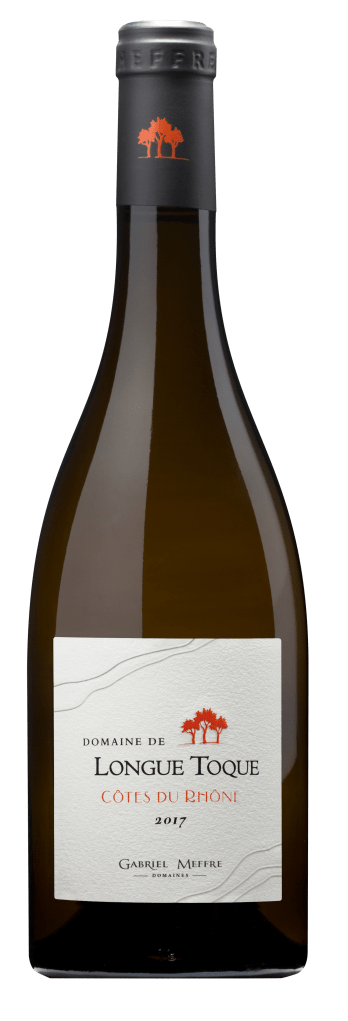
The first beneficiaries are the 30 wineries who persist in and defend their white vineyards, including Domaine de Longue Toque with 47 hectares of vineyards. The winery is located in the village center of Gigondas. Its history can be traced back to 1918. In the late 1990s, Gabriel Meffre, a well-known local wine merchant, brought it under his command and expanded from the initial 25 hectares of vineyards to today’s scale. Among them, Côte du Rhône Blanc, produced since 2017, is a Gigondas white that was forced to downgrade.
該酒款來自兩塊共計約一公頃的葡萄園,其一是來自位於Dentelles de Montmirail 山中,海拔475公尺“Trois Yeux”地塊,由於地勢較高、並受到來自北面的密斯托拉風終年吹拂,該風土特別適合種植白葡萄品種,因此酒莊在取得這塊葡萄園後,經過多年思考,還是決定在2014年將原有紅葡萄拔除,種回包括Grenache Blanc、Marsanne與Roussanne等品種。而這裡的土壤:白堊紀泥灰岩上的石灰石碎石也賦予葡萄酒細膩和礦物質口感。
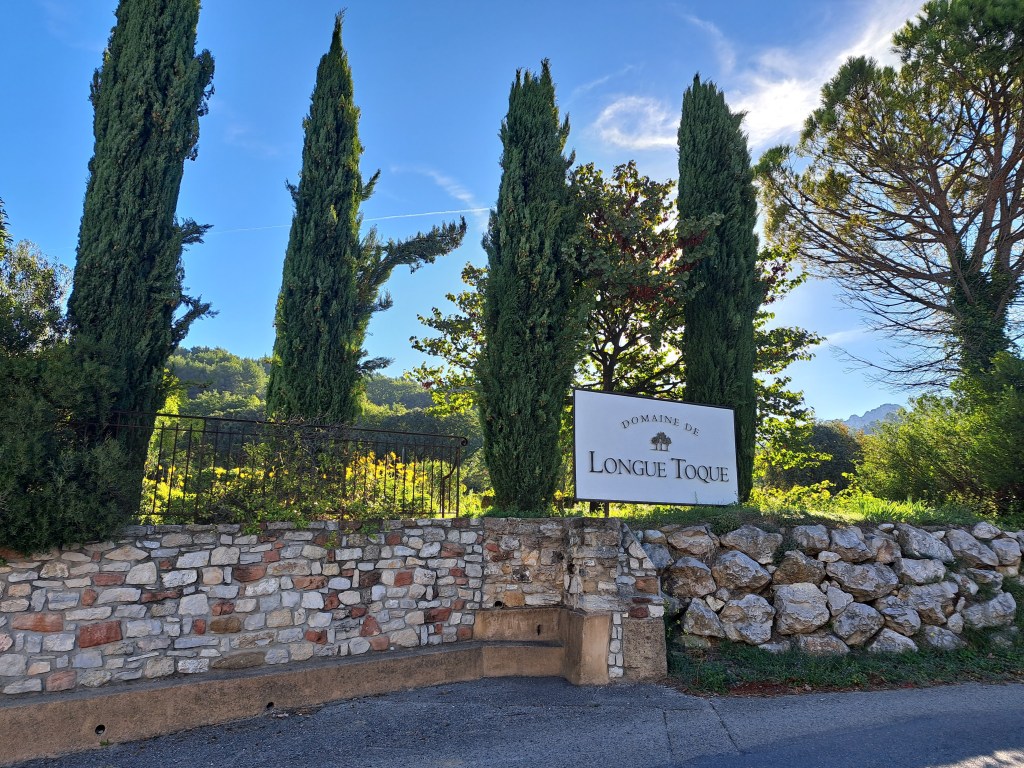
另一個“Teissonnière”地塊位於酒莊正後方地勢相對低平的葡萄園,在這裡,Clairette 葡萄被種植在由粘土和沙子混合而成的藏紅色土壤上,這種典型的南方葡萄品種帶來清新和復雜的白花香氣,正好填補了另一個地塊風格上的缺口,使混釀後的酒款結構更平衡。根據酒莊品牌經理Antony Talor的說法,這款現以隆河谷法定產區掛名的白酒將從2023年起改以「Gigondas」名義上市,正是首批受該法定產區保護的白酒。

This wine comes from two vineyards with a total of about one hectare. One is from the “Trois Yeux" plot located in the Dentelles de Montmirail at about 475 meters. Take advantage of the altitude and the cool Mistral wind from the north, this terroir is especially suitable for planting white grape varieties. Therefore, after years of thinking after acquiring this vineyard, the winery decided to pull out the red grapes in 2014 and plant them back to include Grenache Blanc, Marsanne and Roussanne. The soil of the limestone gravel on the Cretaceous marl also gives the wines fineness and minerality.

Another “Teissonnière" plot is located in the relatively low-lying vineyards directly behind the winery. Here, Clairette are planted on saffron soil mixed with clay and sand, a typical southern grape variety bringing a fresh and complex white flower aroma. These two type of wine as a complementary, make the wine more structure and well balanced. According to Antony Talor, the brand manager of th e winery, this white wine, which is now using the appellation of Côte du Rhône, will be listed under the name of “Gigondas" from 2023.

影片解說在此–>https://reurl.cc/6LYb2k
 SC酒度空間
發表留言